Essence Model


Arnhem, Netherlands
Arnhem, Netherlands
Year
2015
Client
Academic
Typology
Education
Service
Academic
Status
-
Category
Unbuilt
Collaboration
HAN University & ArtEZ vor de Kunsten
Year
2015
Client
Academic
Typology
Education
Service
Academic
Status
-
Category
Unbuilt
Collaboration
HAN University & ArtEZ vor de Kunsten
Year
2015
Client
Academic
Typology
Education
Service
Academic
Status
-
Category
Unbuilt
Collaboration
HAN University & ArtEZ vor de Kunsten
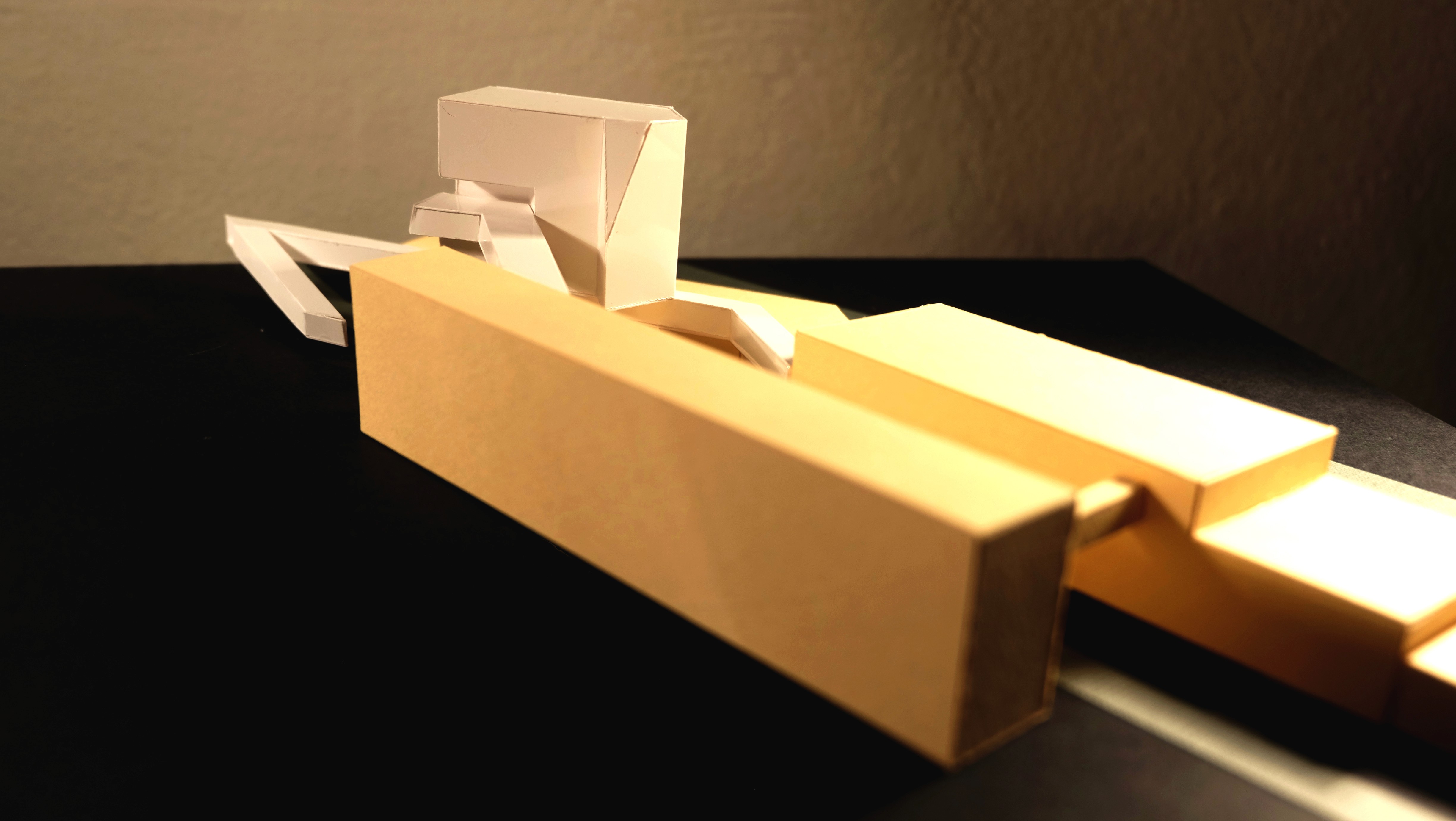
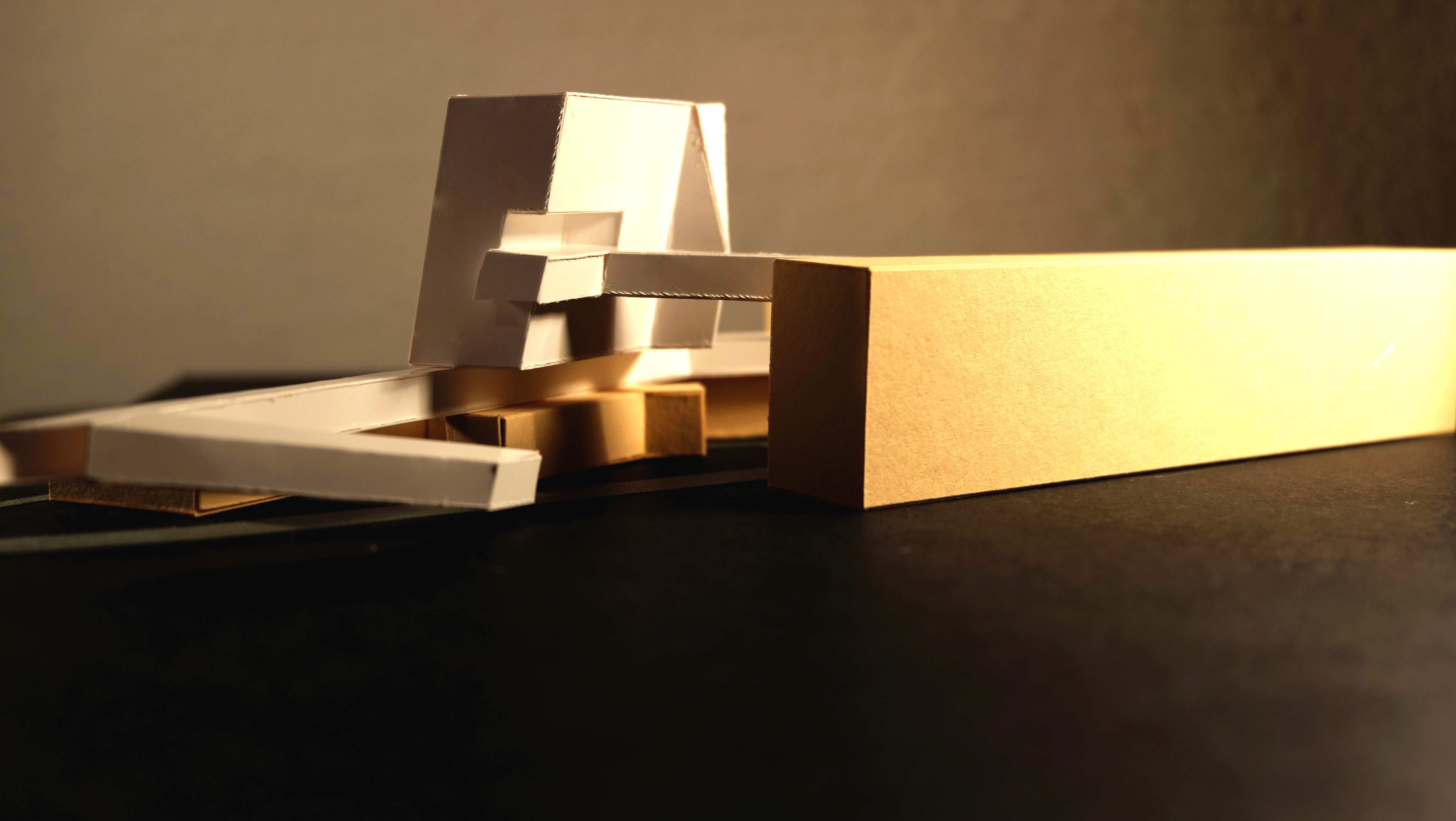
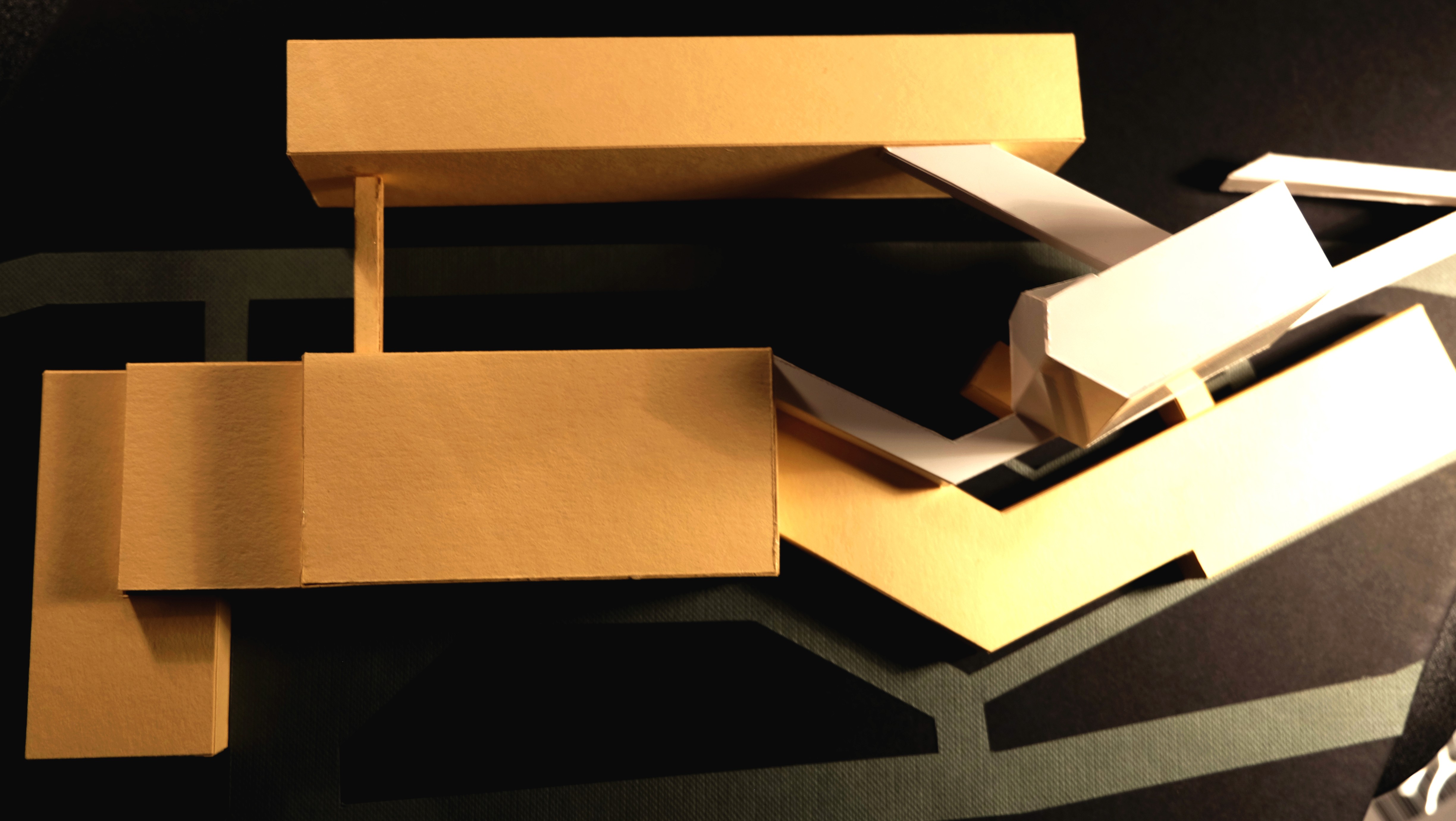
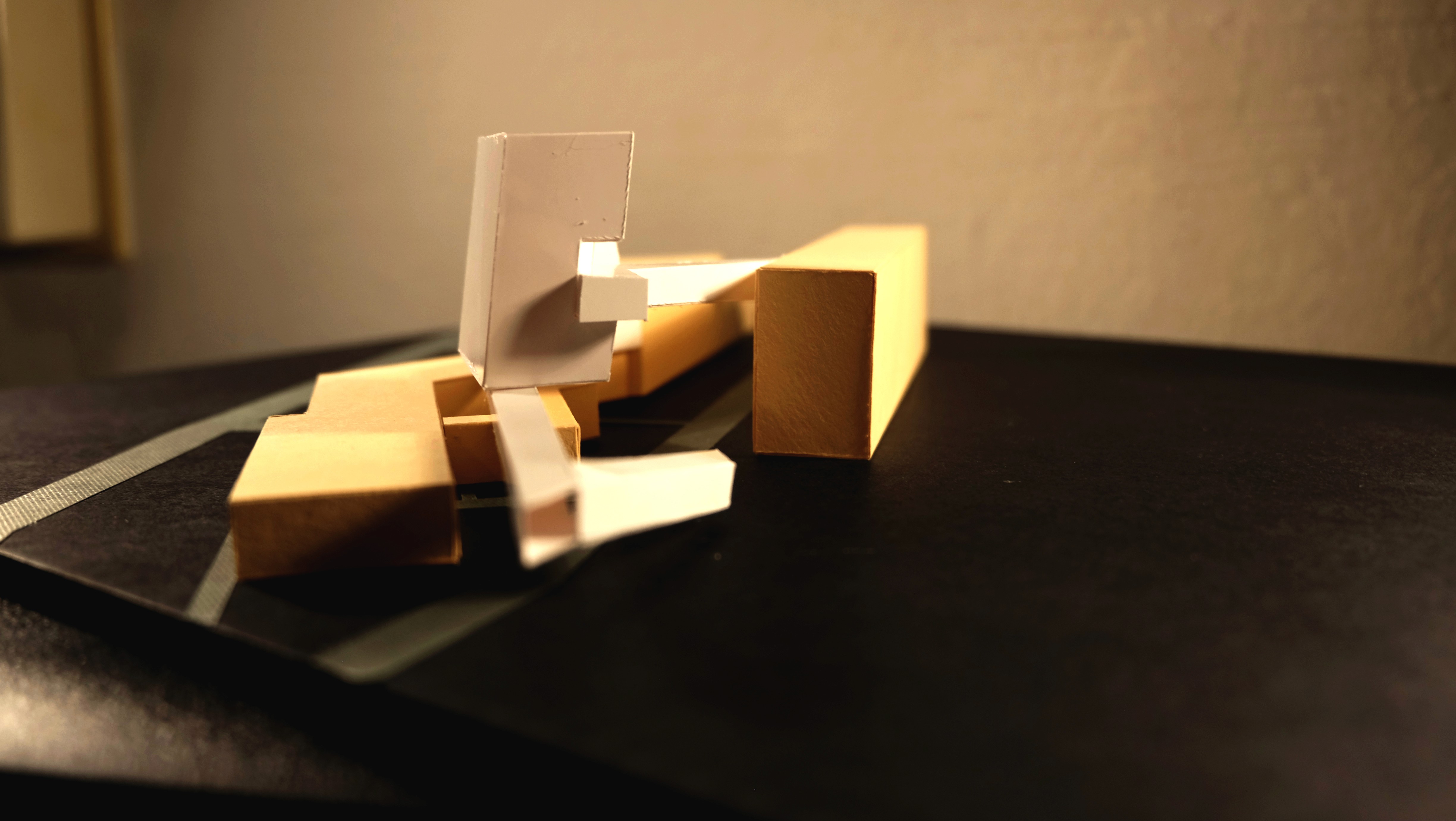
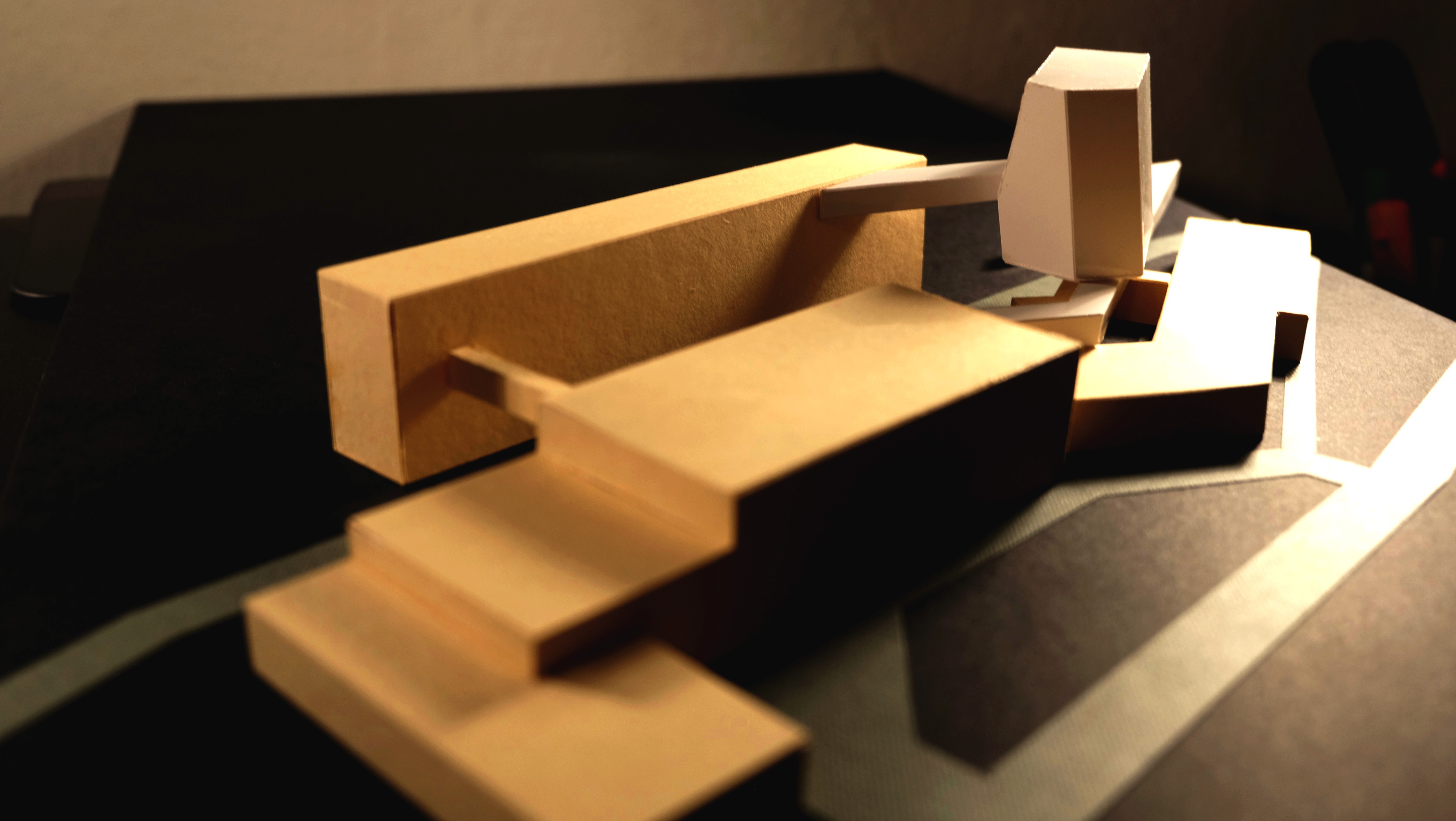
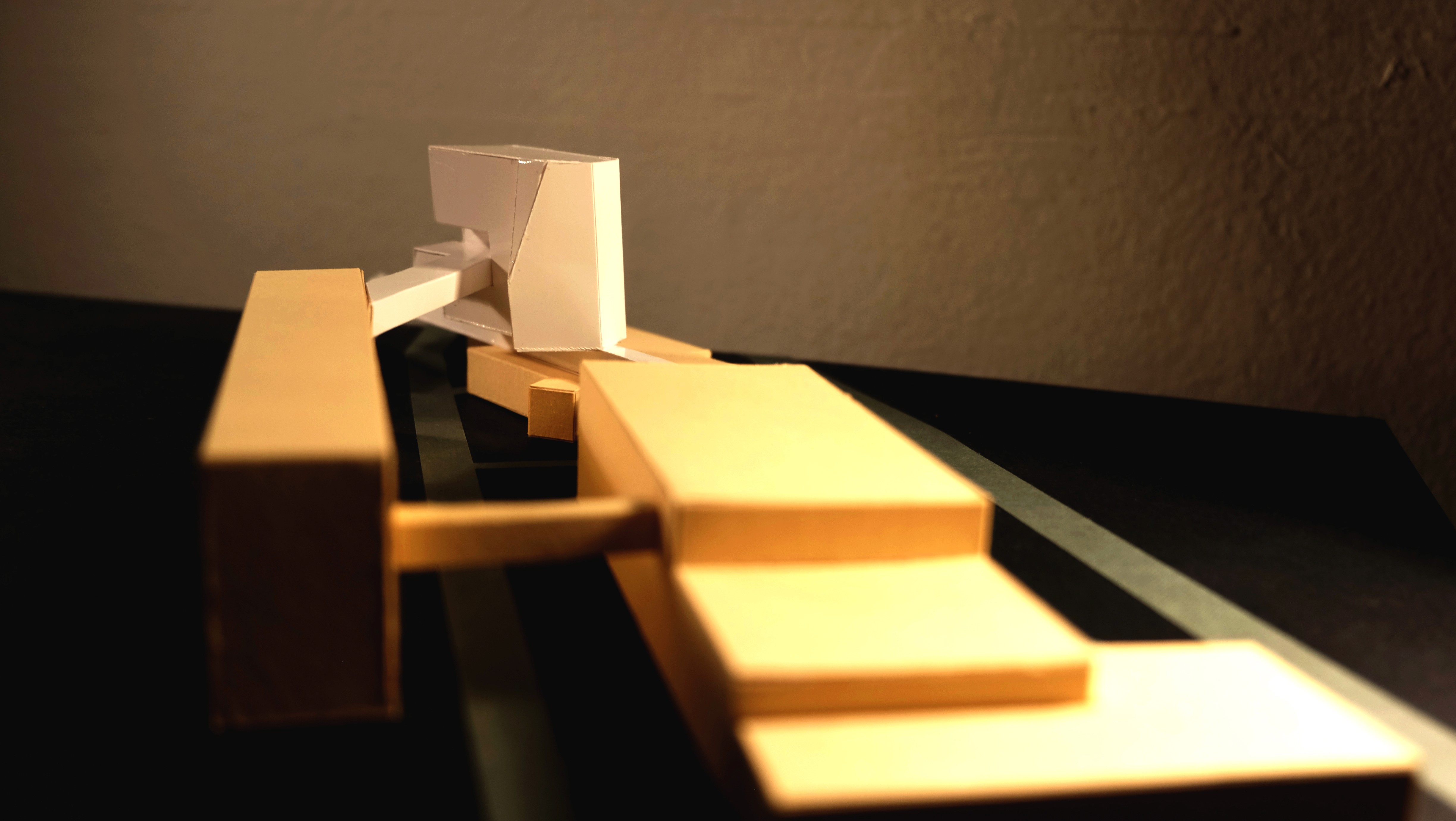
A spatial intervention focused on connection within a diverse academic complex. The project repositions the Academy of Architecture through movement, clarity, and shared circulation.
© Essence Model
© Essence Model
© Essence Model


Brief
Within the ArtEZ academy complex in Arnhem, disciplines such as dance, ceramics, and the conservatory occupied clearly defined spaces, while the Academy of Architecture remained less visible and constrained. The assignment was to design an extension that clarified its identity through a Characteristic Features Model, focusing on essence rather than detail.
Strategy
The project emerged from reading the complex as a network of movement. A central learning corridor connecting diverse disciplines became the guiding concept, leading to an extension that strengthens connectivity rather than competes with its context.
The building was placed at the short end of the complex near the ceramics wing, occupying a previously detached zone. Gallery-like passages were introduced to link the new architecture building with adjacent disciplines, shaping circulation as a spatial and educational experience.
Reflection
This project reinforced the role of circulation as an active architectural element. It shaped an early understanding that architecture gains meaning through connection, movement, and how spaces are experienced in sequence.
Brief
Within the ArtEZ academy complex in Arnhem, disciplines such as dance, ceramics, and the conservatory occupied clearly defined spaces, while the Academy of Architecture remained less visible and constrained. The assignment was to design an extension that clarified its identity through a Characteristic Features Model, focusing on essence rather than detail.
Strategy
The project emerged from reading the complex as a network of movement. A central learning corridor connecting diverse disciplines became the guiding concept, leading to an extension that strengthens connectivity rather than competes with its context.
The building was placed at the short end of the complex near the ceramics wing, occupying a previously detached zone. Gallery-like passages were introduced to link the new architecture building with adjacent disciplines, shaping circulation as a spatial and educational experience.
Reflection
This project reinforced the role of circulation as an active architectural element. It shaped an early understanding that architecture gains meaning through connection, movement, and how spaces are experienced in sequence.
Brief
Within the ArtEZ academy complex in Arnhem, disciplines such as dance, ceramics, and the conservatory occupied clearly defined spaces, while the Academy of Architecture remained less visible and constrained. The assignment was to design an extension that clarified its identity through a Characteristic Features Model, focusing on essence rather than detail.
Strategy
The project emerged from reading the complex as a network of movement. A central learning corridor connecting diverse disciplines became the guiding concept, leading to an extension that strengthens connectivity rather than competes with its context.
The building was placed at the short end of the complex near the ceramics wing, occupying a previously detached zone. Gallery-like passages were introduced to link the new architecture building with adjacent disciplines, shaping circulation as a spatial and educational experience.
Reflection
This project reinforced the role of circulation as an active architectural element. It shaped an early understanding that architecture gains meaning through connection, movement, and how spaces are experienced in sequence.
Parkmall Atrium
Parkmall Atrium
Parkmall Atrium